Blake Schulz · 13 October 2026
Tracing the Influence of Social Media Influencer Partnerships on Niche Cabin Rental Discoverability
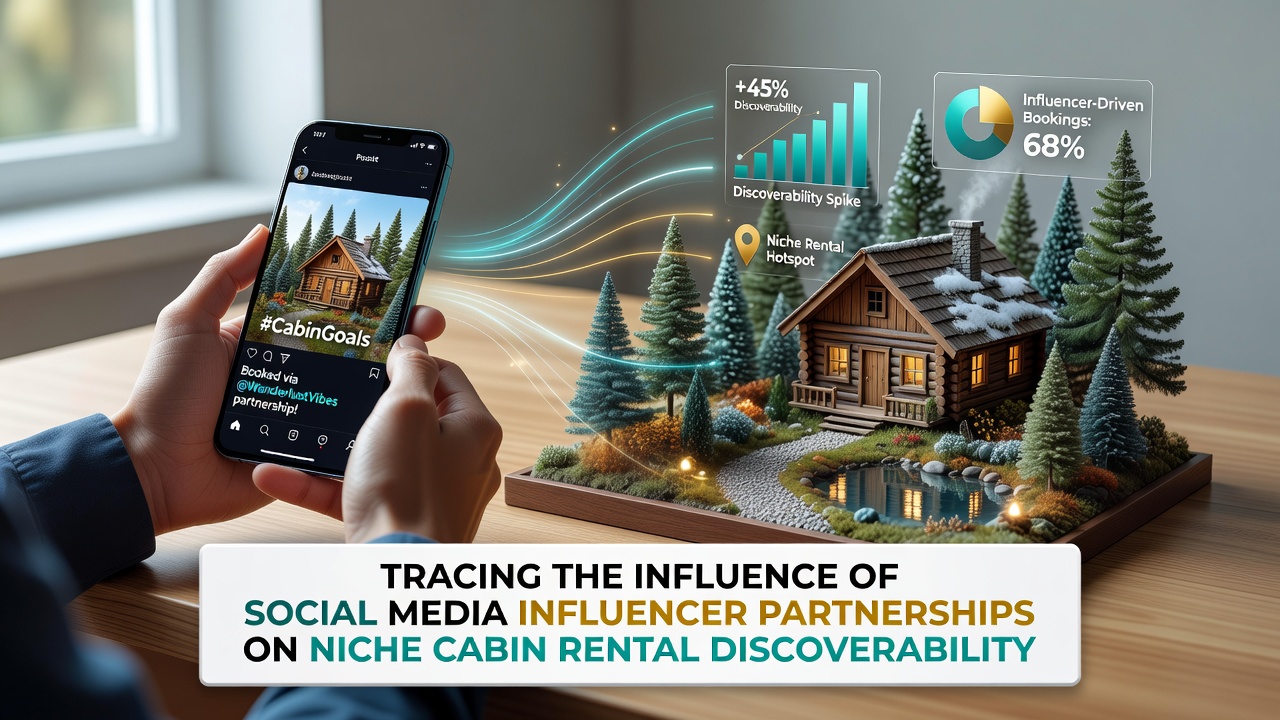
Observers note that social media influencer partnerships have reshaped how travelers locate specialized cabin rentals, particularly those tucked away in less conventional areas, and data from booking platforms shows measurable shifts in search visibility and reservation patterns between 2024 and 2026. These collaborations typically involve content creators showcasing unique properties through videos, posts, and stories that reach targeted audiences interested in off-grid escapes, and researchers tracking digital marketing in hospitality have documented corresponding rises in direct inquiries to hosts operating in remote regions.
Platform Algorithms and Content Reach
Studies from tourism analytics firms indicate that algorithm changes on major platforms favor short-form video content featuring authentic location experiences, which in turn amplifies exposure for niche cabins when influencers tag specific rental sites or use geotags that link back to availability calendars. Those who monitor search engine optimization trends report that backlinks generated from influencer posts often improve domain authority for individual property listings, allowing them to appear higher in queries related to sustainable stays or secluded getaways. What's more, engagement metrics collected across multiple platforms reveal that posts highlighting distinctive features like treehouse designs or lakeside isolation tend to drive traffic spikes that persist for weeks after initial publication.
Regional Data Patterns and Booking Trends
Figures compiled by regional tourism authorities demonstrate that areas with concentrated influencer activity experience accelerated discoverability for smaller operators, whereas traditional advertising channels alone produce slower uptake in similar markets. Take one analysis of North American rental networks where partnerships with creators focused on winter activities correlated with higher occupancy rates during shoulder seasons, and similar patterns emerged in European mountain regions when creators highlighted eco-friendly builds. Data from the Australian Bureau of Statistics on domestic tourism further shows increased mentions of private cabin accommodations in user-generated content correlating with rises in online reservations from interstate travelers.
Researchers examining these dynamics point to measurable lifts in organic search rankings once influencer content accumulates sufficient shares and saves, creating a feedback loop that benefits properties listed on specialized networks. Yet the effect varies by niche, since cabins emphasizing wellness amenities or proximity to hiking trails often see stronger results compared to more generic listings.
Partnership Structures and Visibility Metrics
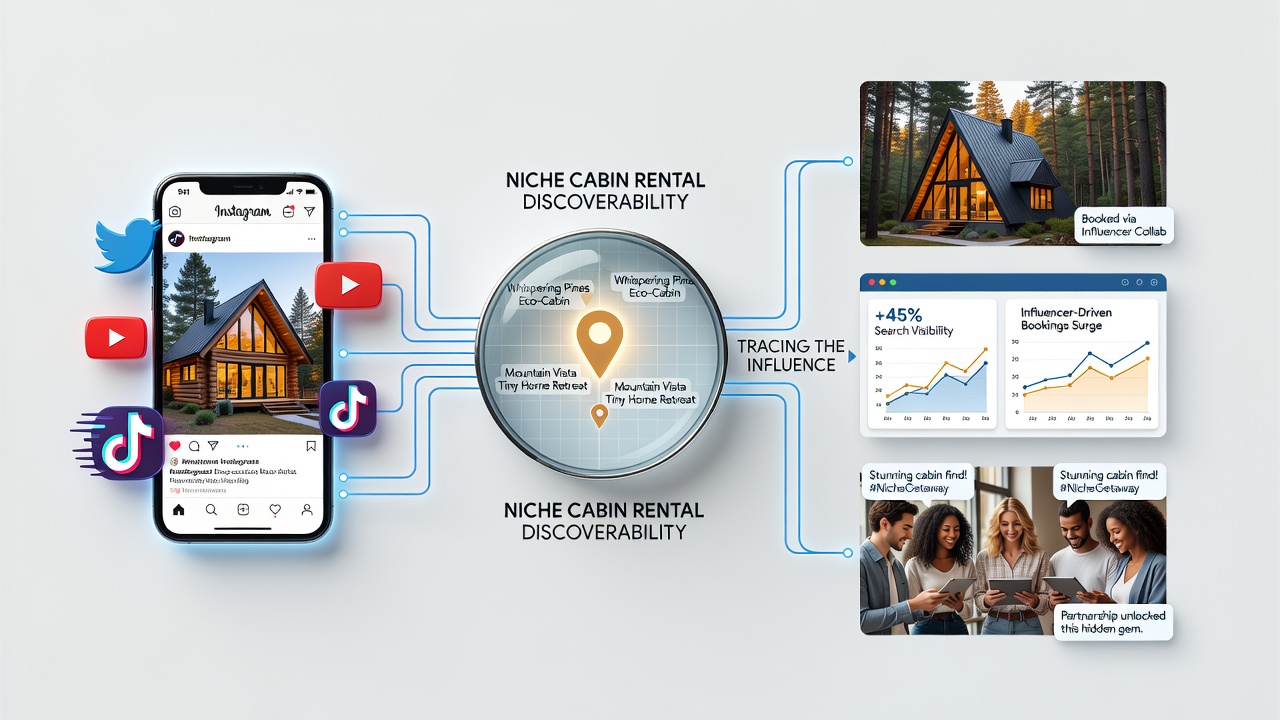
Industry reports from organizations such as the World Tourism Organization highlight how structured partnerships, including sponsored stays and affiliate arrangements, contribute to broader distribution of visual assets that make obscure rentals easier to find. Those tracking performance note that campaigns running in October 2026 aligned with fall foliage promotions produced distinct upticks in discoverability for cabins in transitional climate zones, where timing matched user interest in seasonal color changes. Engagement data collected during these periods indicates that stories and reels incorporating real-time booking prompts generated higher click-through rates than static imagery alone.
Additional evidence from academic studies at institutions including the University of British Columbia suggests that repeated exposure through multiple creator channels compounds the effect, leading to sustained improvements in brand recall among audiences searching for alternative accommodations. Observers tracking these networks find that properties gaining initial traction through such partnerships frequently maintain elevated visibility even after campaigns conclude, provided hosts continue updating their own profiles with similar visual styles.
Comparative Effects Across Markets
Comparative data across markets shows that influencer-driven discoverability operates differently in high-density versus low-density areas, with rural cabin operators reporting greater relative gains because baseline online presence remains lower before partnerships begin. Statistics released by U.S. Travel Association research teams indicate that targeted campaigns focused on underrepresented destinations can shift booking distributions toward smaller hosts, although results depend on alignment between creator audience demographics and property offerings. Patterns observed in Canadian and Scandinavian markets further illustrate how cross-border content sharing extends reach when creators incorporate multilingual captions or location tags that surface in international searches.
Conclusion
Overall, available evidence demonstrates that influencer partnerships function as one component within a larger ecosystem of digital discovery tools for niche cabin rentals, interacting with search algorithms, seasonal trends, and host-side updates to influence visibility outcomes. Tracking these interactions through platform analytics and tourism statistics continues to provide clearer pictures of how content distribution shapes traveler access to specialized properties across regions.